
Dirty Hands, Happy Heart!
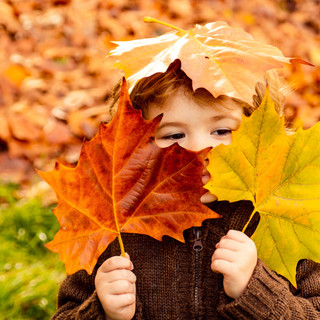
We want children to love nature so that they protect it in the future. To do that, children must have time to play outside, communing with plants and relating to the heroic march of ants.

Being in nature is just plain good for children and adults.
In 2015, a Stanford University study determined that walking outdoors in a park for one hour made the test subjects happier than walking for an hour in a city. Not only do children benefit from nature, but nature benefits from children.
Kids thrive outdoors!
‘Happy hearts and happy faces Happy play in grassy places – That was how, in ancient ages, Children grew to kings and sages.’
We don’t need research to tell us that spending time outdoors is good for us. However, we love that research now supports what we’ve known for a long time. There is growing evidence that spending time in natural environments positively affects children. When children spend time in nature, they are happier, calmer, and more focused.
Nature is the ultimate sensory experience.
No indoor environment, toy, or technology rivals the unpredictability of nature. When children need to run, jump, and climb, the best challenge is a landscape of grasses, rocks, and fallen trees. For quiet moments, turning over a rock reveals a diverse, alive ecosystem.
Playing outside prepares children for life.
In Scandinavian countries, researchers found that children who play in natural landscapes tested better in motor development compared to those who play on flat playgrounds. School-age children who are asked to focus for longer periods of time need outdoor play to support classroom learning.
“Passion is lifted from the earth itself by the muddy hands of the young; it travels along grass-stained sleeves to the heart. If we are going to save environmentalism and the environment, we must also save an endangered indicator species: the child in nature.”—Richard Louv
Children who garden learn about the cycles of life.
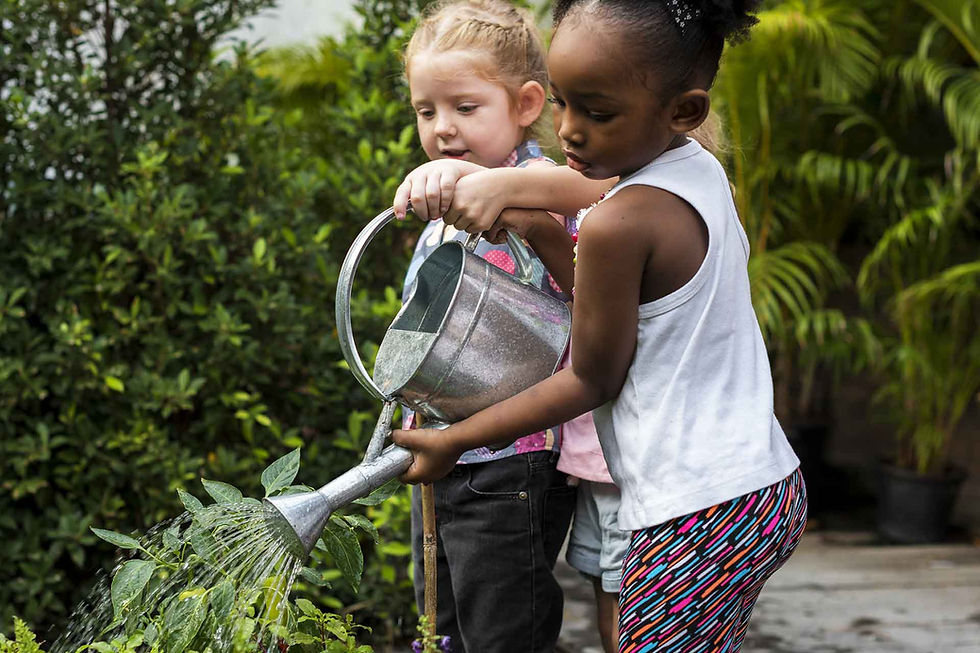
Gardens connect children to the natural world. Our children plant, water, weed, harvest, and eat fresh fruits and vegetables all year long. They plunge their fingers into fresh soil, watch flowers transform into fruit, gingerly pluck berries and savor the sweet juices. They become emotionally attached to the plants, cheer on new growth, and wonder what’s gone wrong when a plant doesn’t thrive. Their day-to-day relationship with the garden fosters empathy toward the natural world, which blossoms into a desire to protect life.

Connection with animals builds empathy.
In the same way gardening builds empathy with plants, positive interaction with animals creates animal lovers. Watching animals eat, play, and sleep, children see that animal lives are filled with similar routines and concerns as human lives. The more experience children have with animals, the happier children feel and the more likely they are to grow up as advocates for animals’ habitats.
Insects are animals too.
Teachers coach children to interact gently with all insects, instilling respect for the life of every creature. We observe the daily habits of bees, ants, and other bugs; and children share news of their discoveries of spiderwebs, anthills, and wasp nests. Children learn about beneficial insects and worms firsthand by helping to release them into their gardens.
Learning where our food comes from.
Caring for gardens, picking fruits and vegetables, and churning butter—all these tasks help children understand where their food comes from. As one child told me once, “We know our food is real because we pull it right out of the ground.”
Kids are part of the solution.
Cleaning beaches, smashing cans, composting food scraps—these activities are not hard work for children. They’re fun. Kids love to contribute in meaningful ways, so we give them opportunities to pitch in daily. A love for nature, and the disposition to go the extra mile to protect it, is built over time and reinforced by small, consistent, and meaningful moments.

Get Inspired
Lens on Outdoor Learning by Wendy Banning
There's No Such Thing as Bad Weather: A Scandinavian Mom's Secrets for Raising Healthy, Resilient, and Confident Kids by Linda Åkeson McGurk


Comments